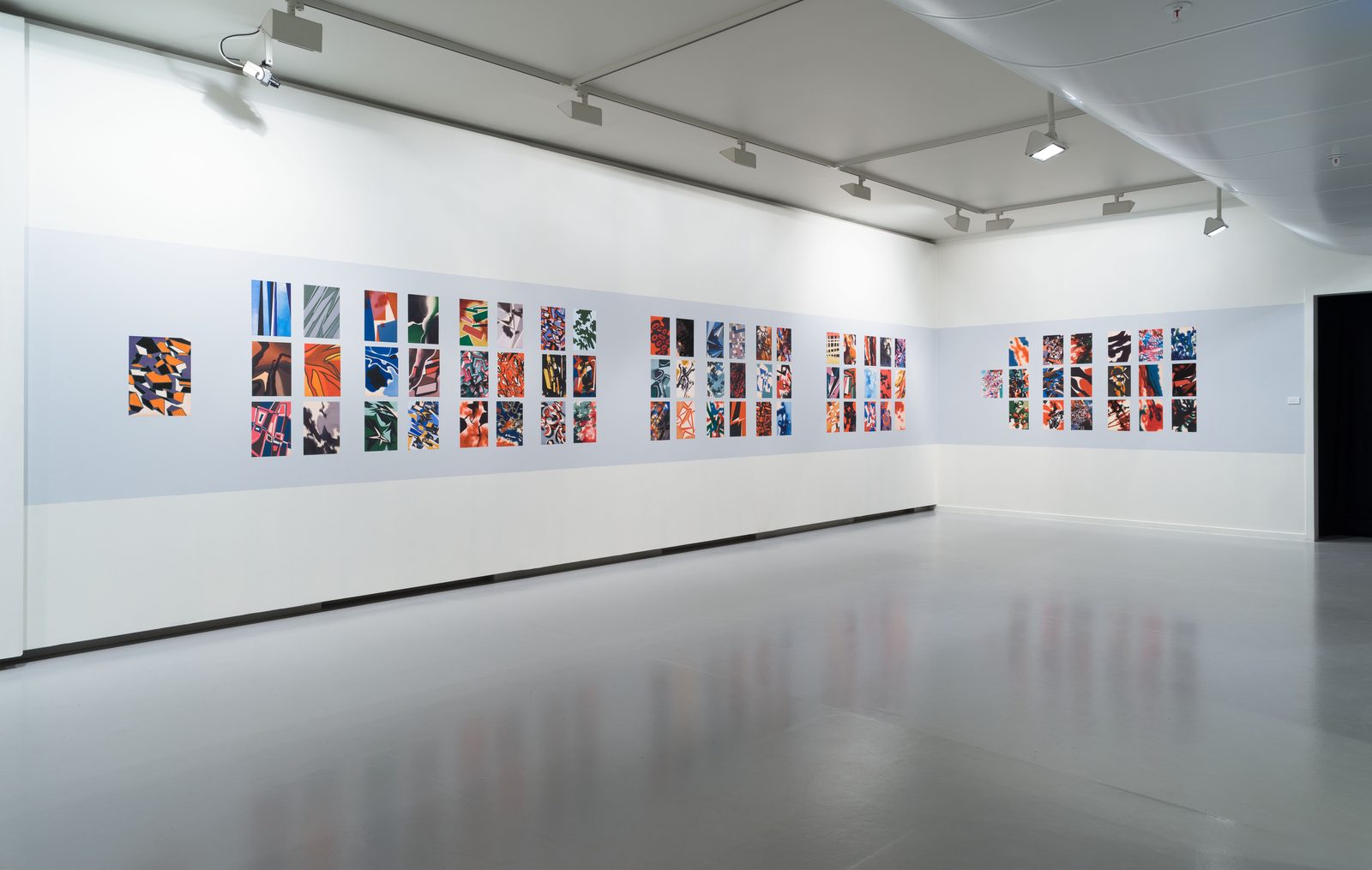
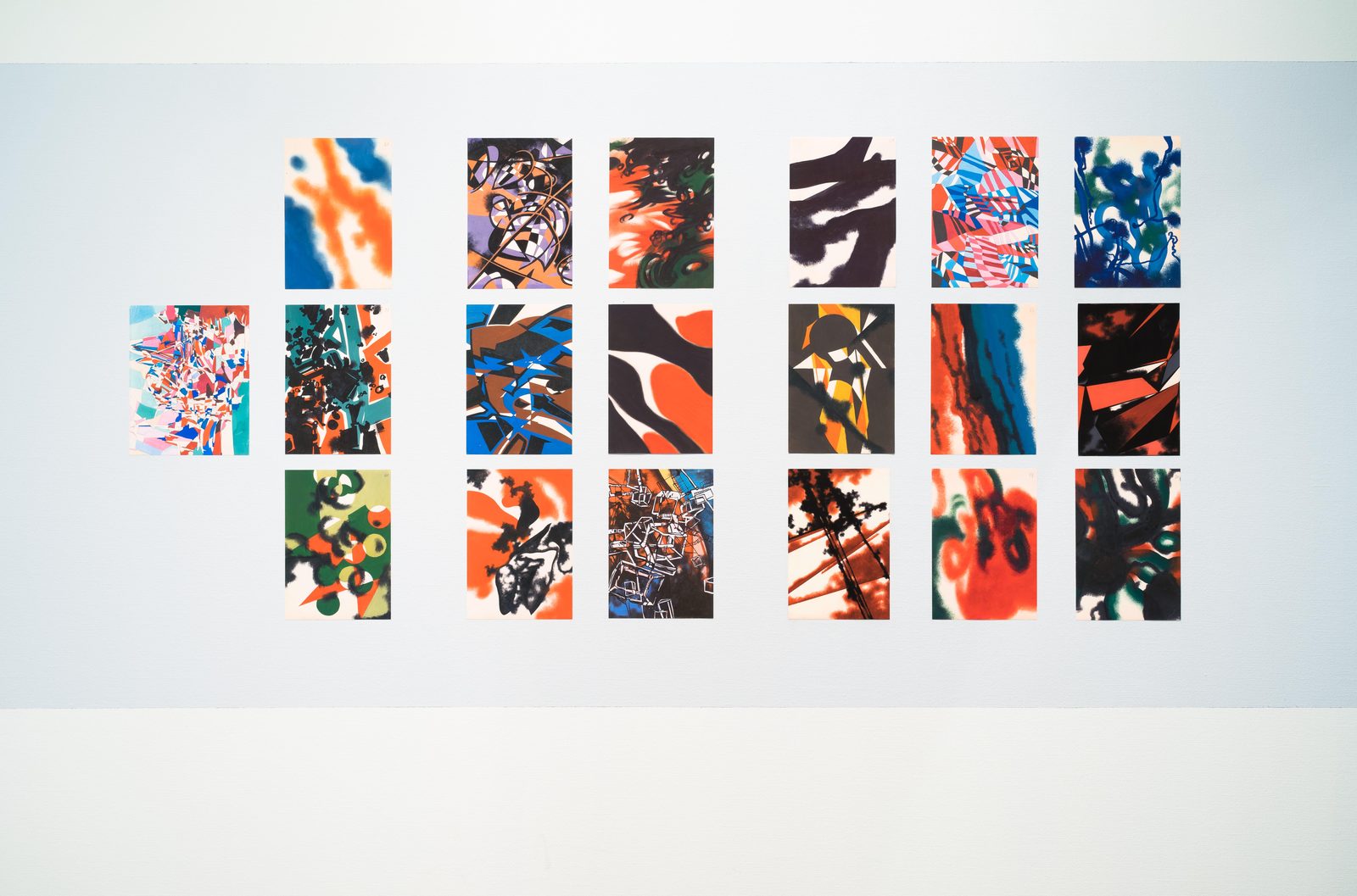
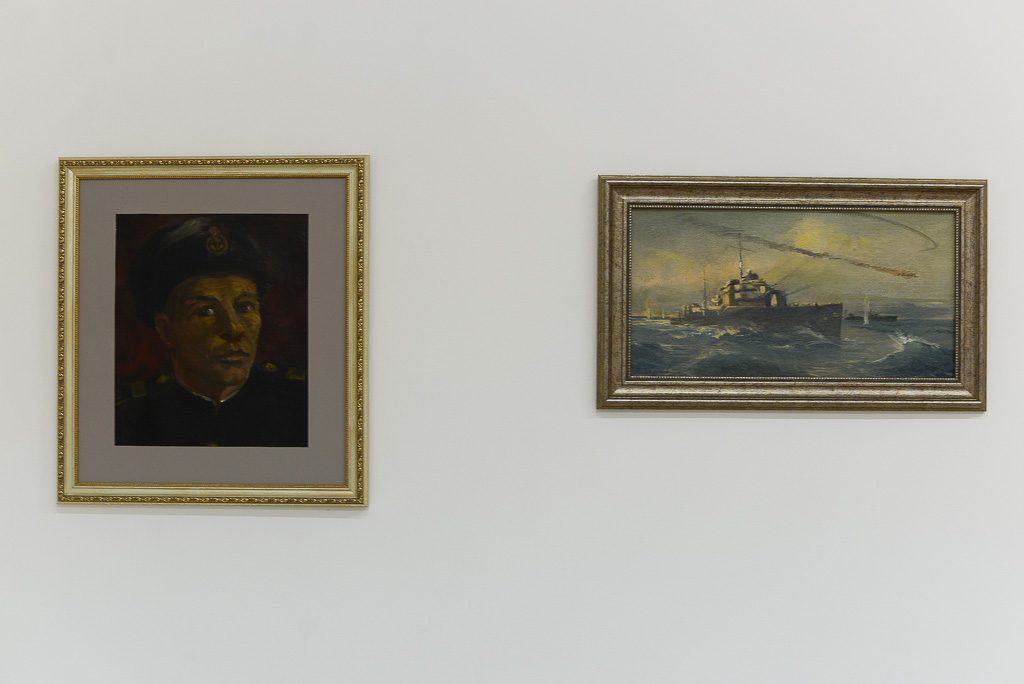
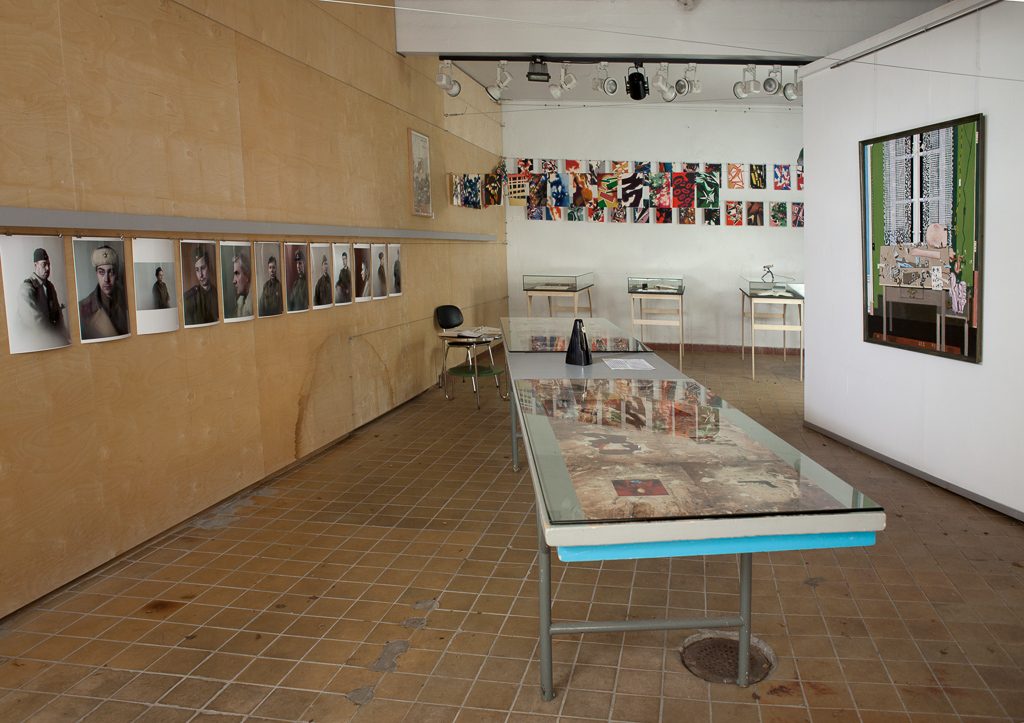
The project began with a visit to the Murmansk Regional Art Museum, where Ivan Galuzin was shown drawings made by Soviet soldiers stationed on the Kola Peninsula during the Second World War. The soldiers lived under extreme conditions — many were killed in combat, or froze or starved to death — yet the drawings show none of the horror. They show peaceful moments: portraits of fellow soldiers and officers, and landscapes. The question that follows is whether making things under such circumstances can also be a way of surviving them.
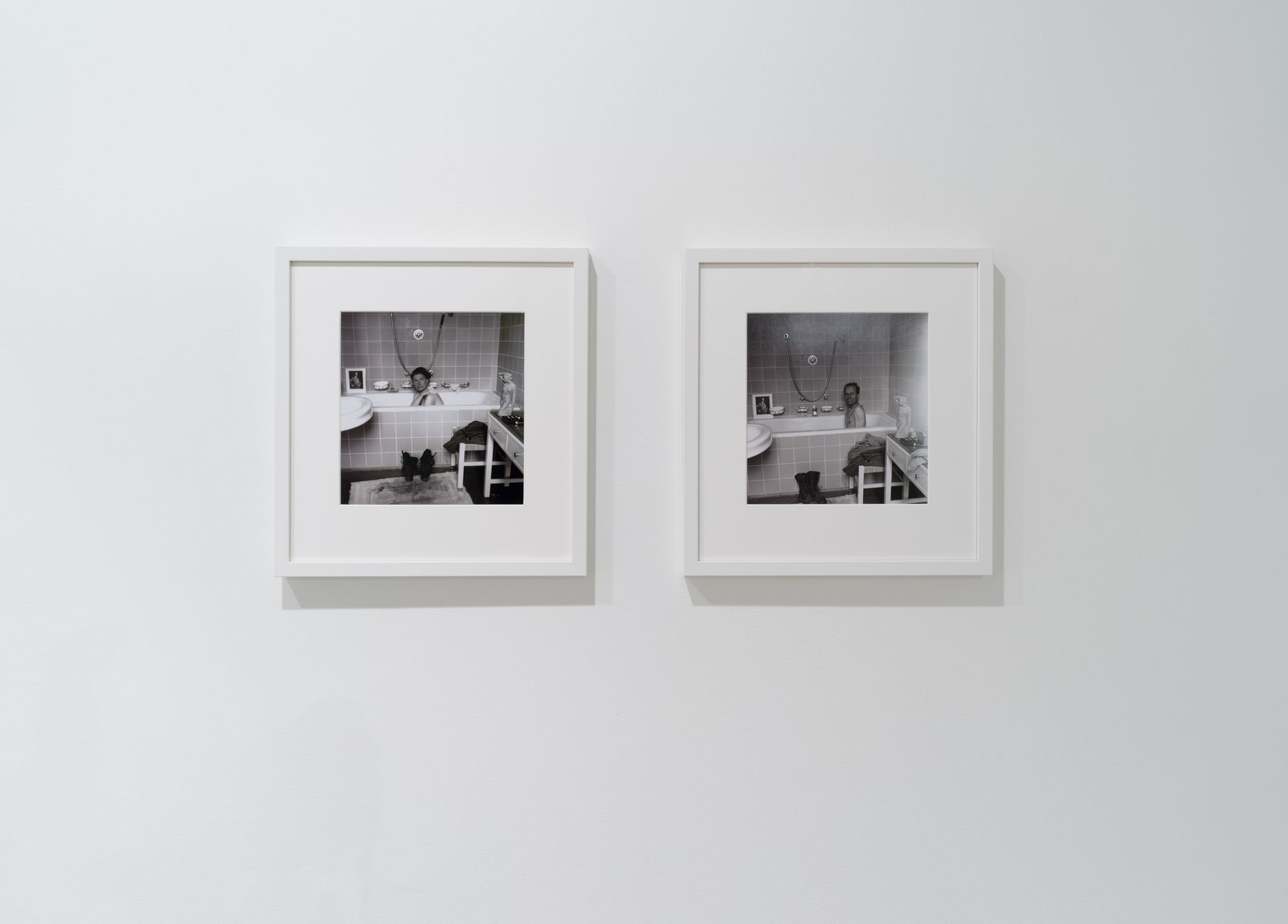
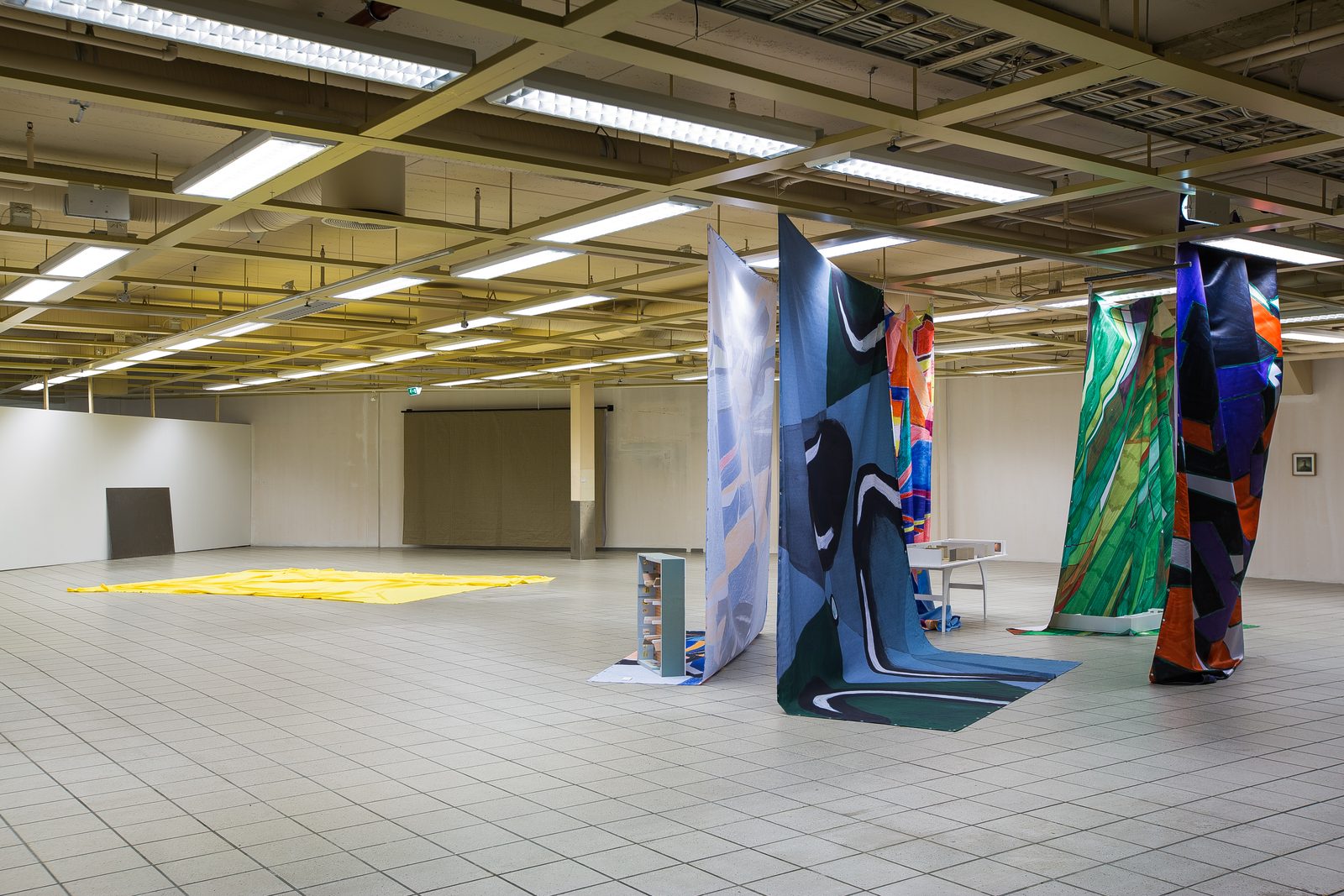
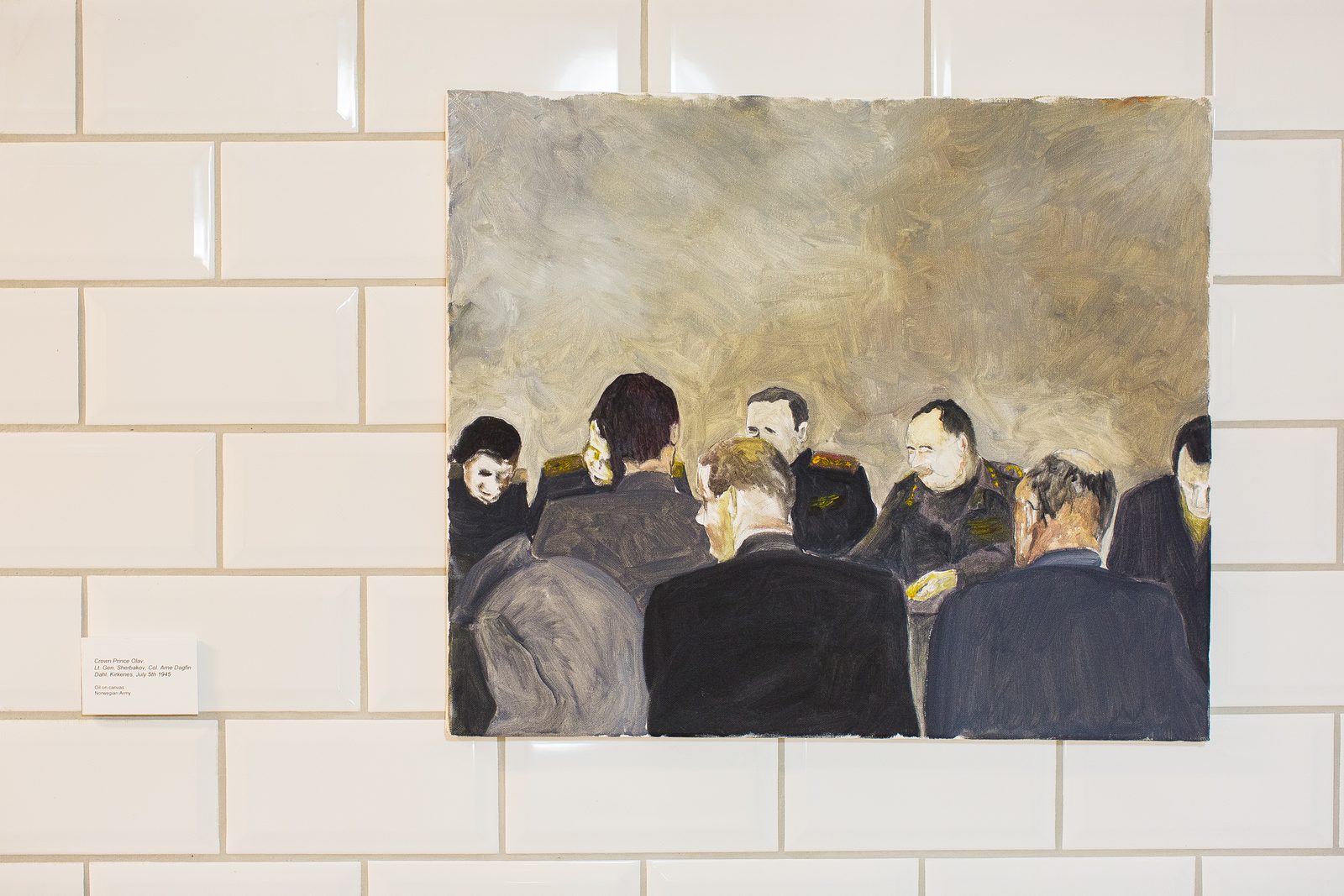
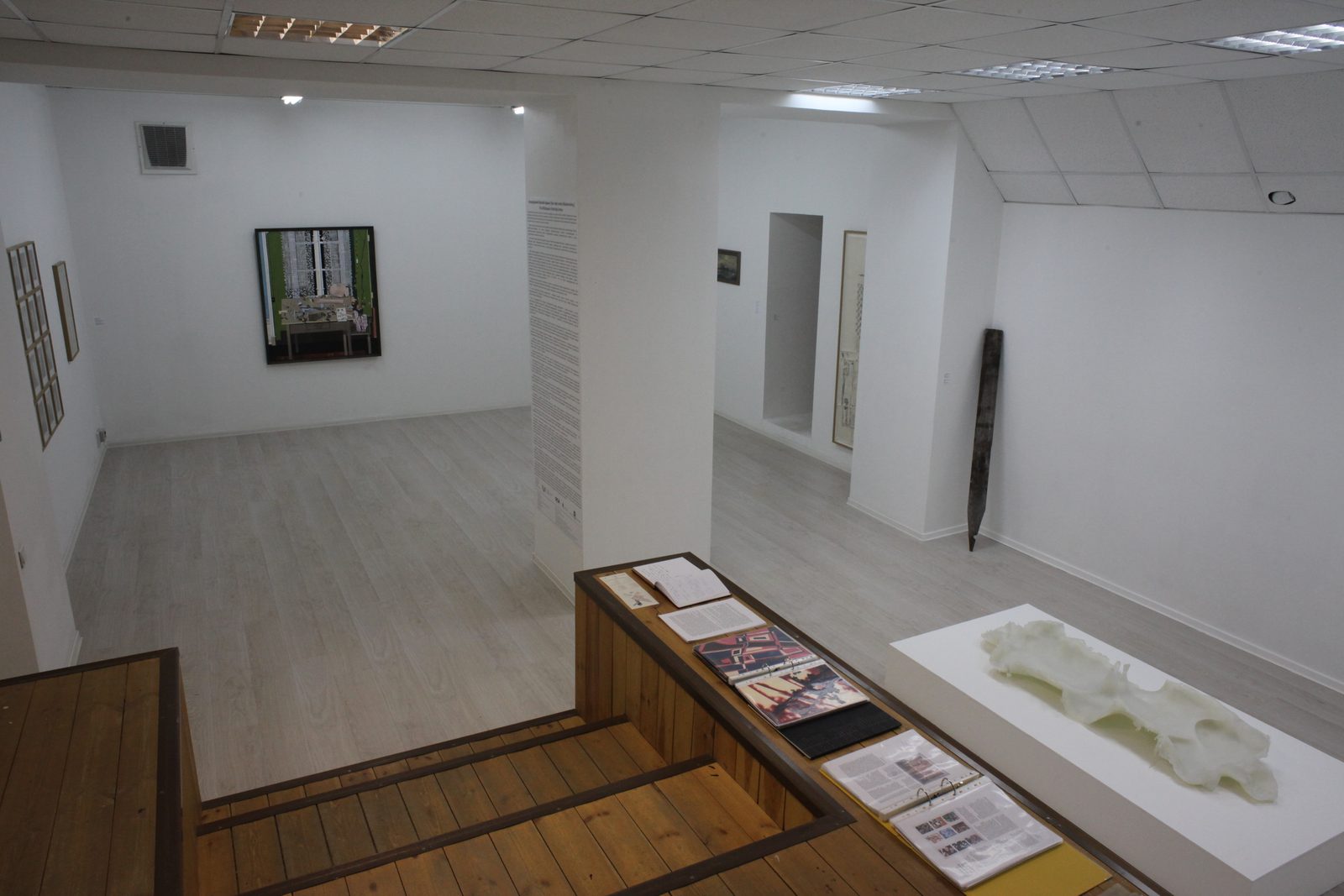
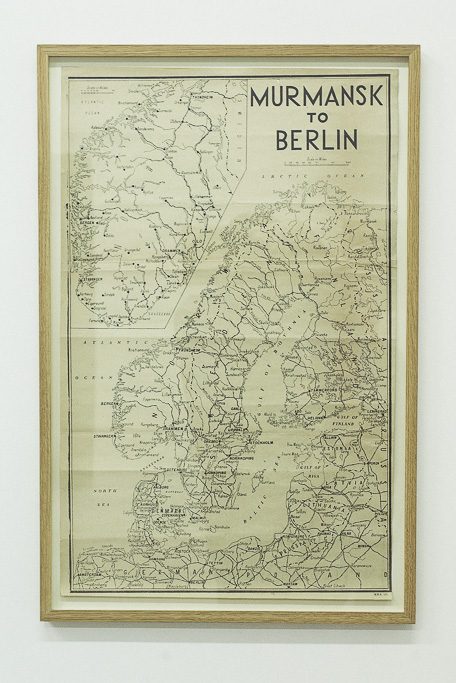
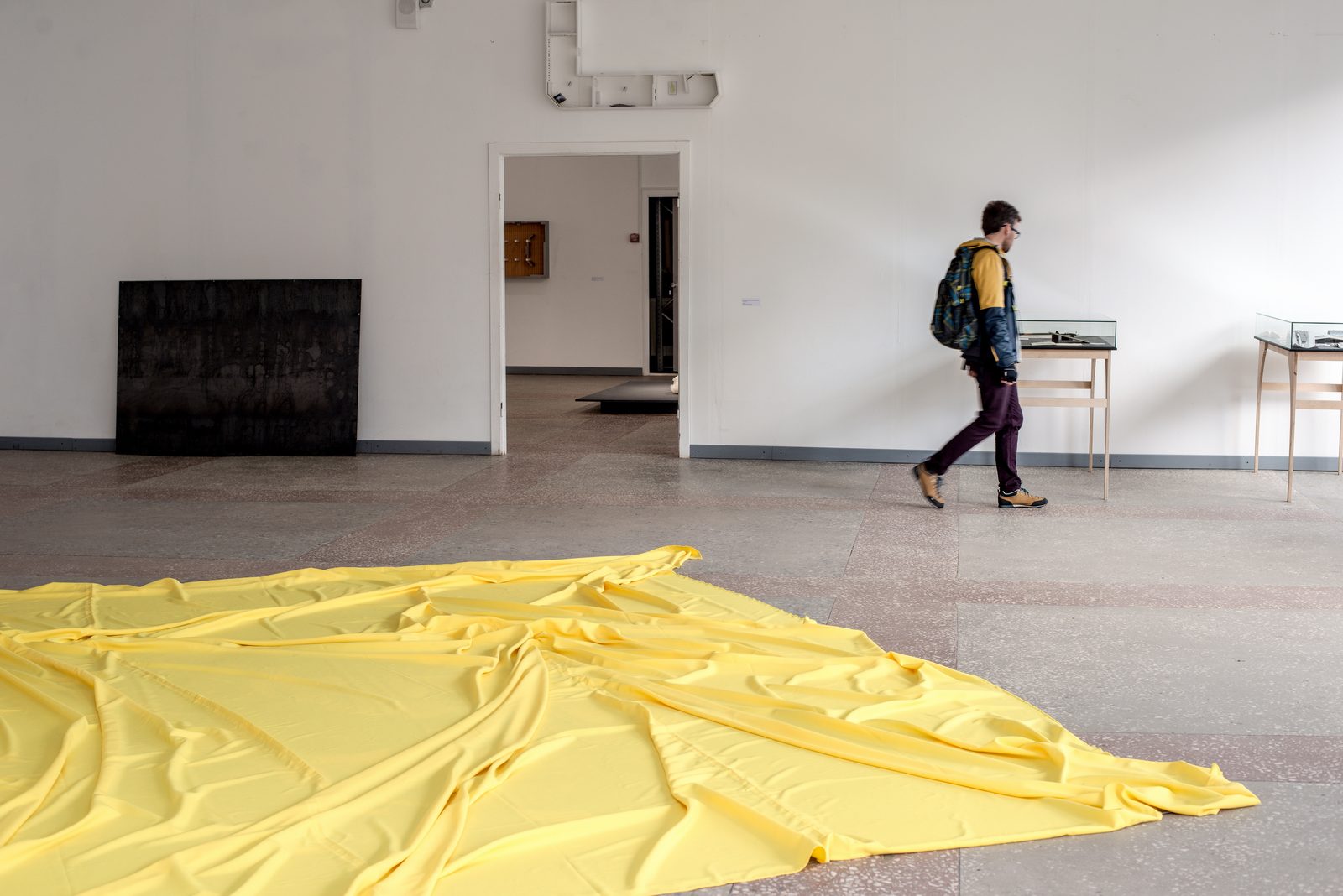
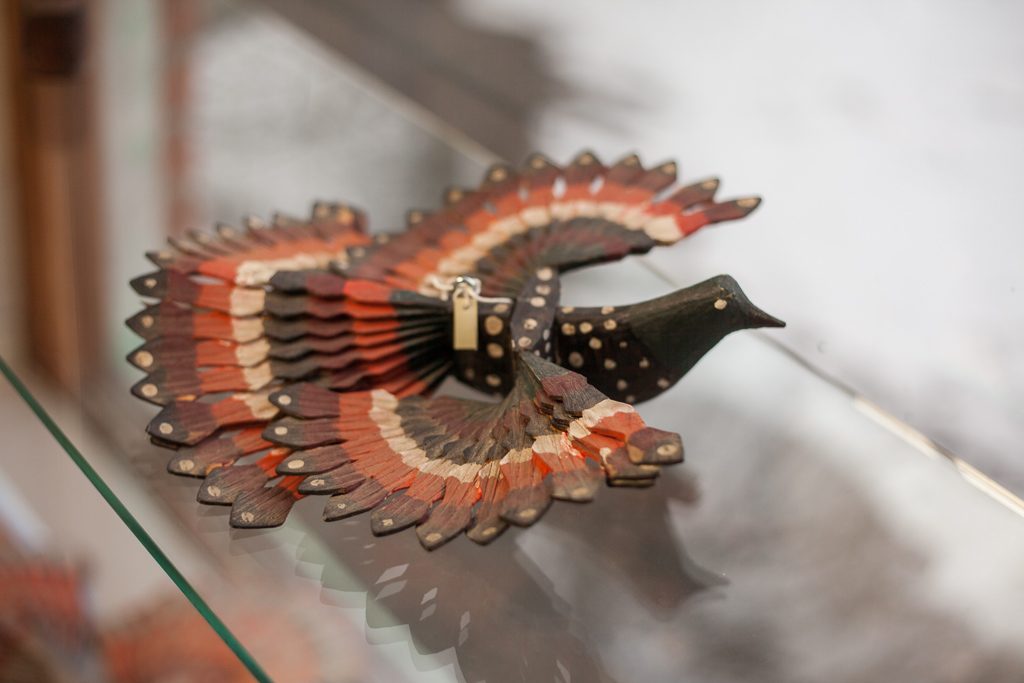
Time, memory, suppression, play and authenticity became the conceptual frame. The exhibition set out to follow the Red Army's own route in reverse, moving across the border from Norway into Russia — and it changed at every stop. Each venue brought new work in and left other work out, so no two versions were the same, and the show was rebuilt around local artists in each city. Participants came from Russia, Norway, Germany, England, Brazil and the United States, among them Gustav Metzger, Asta Gröting, Leonard Rickhard and Taus Makhacheva.
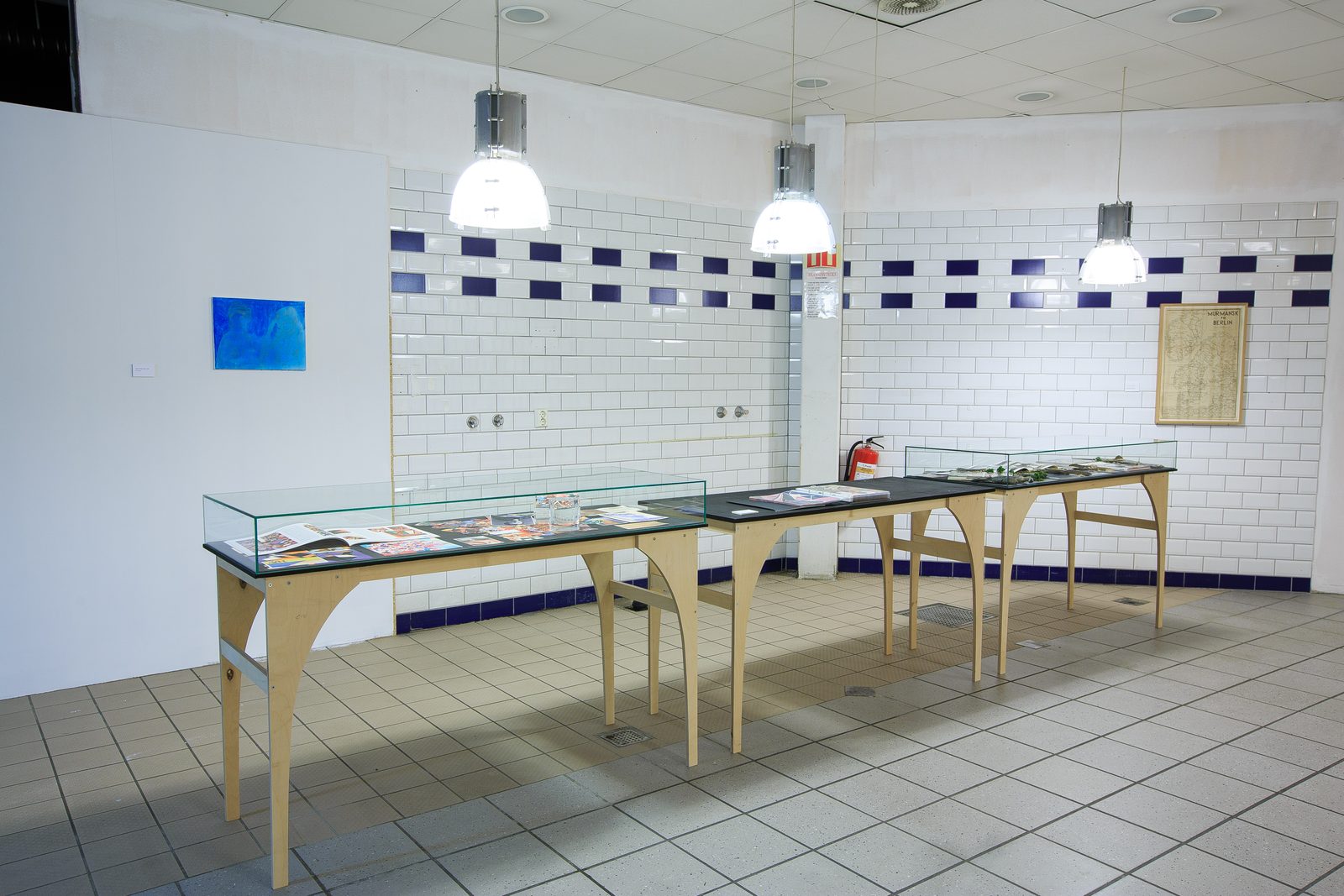
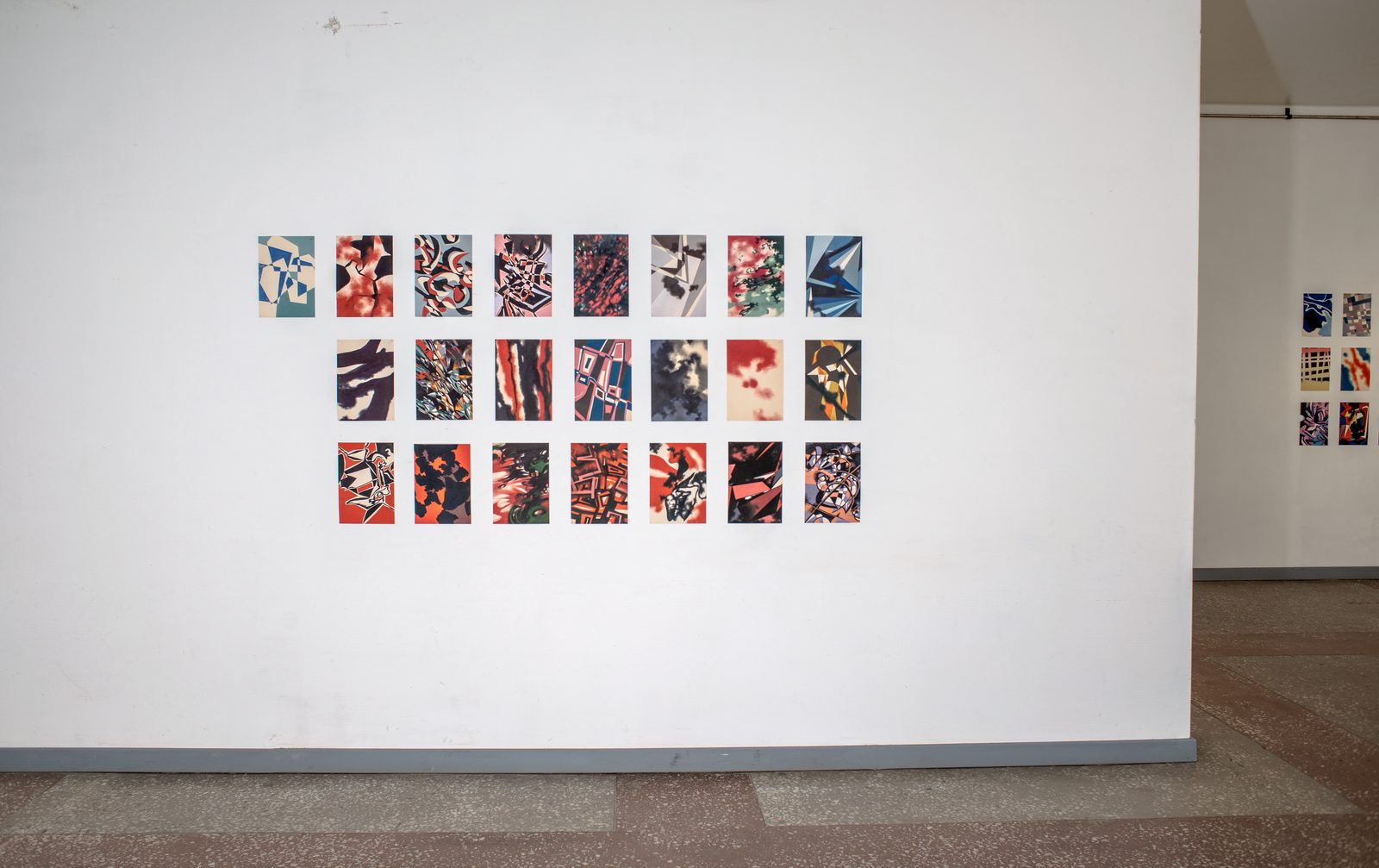
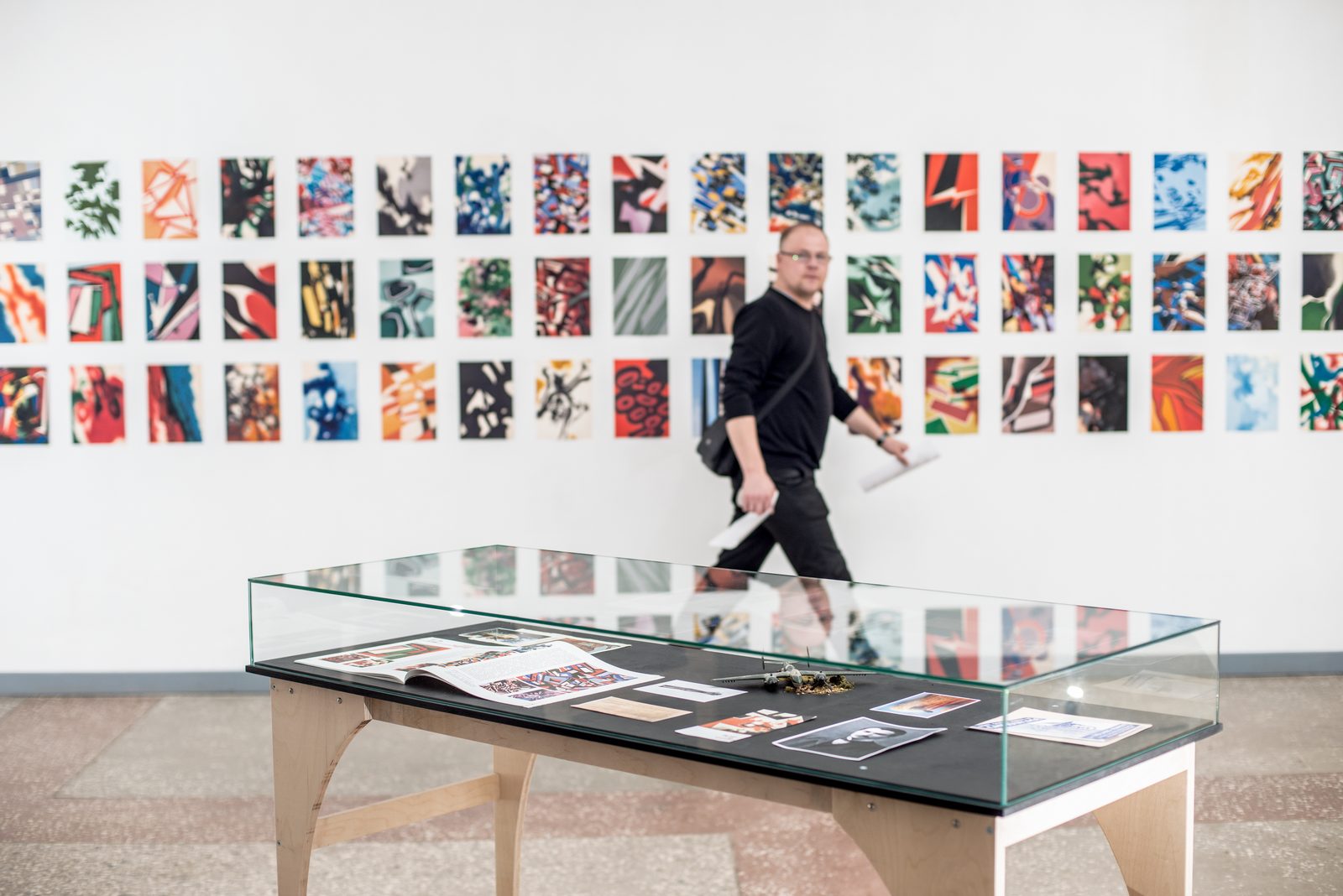
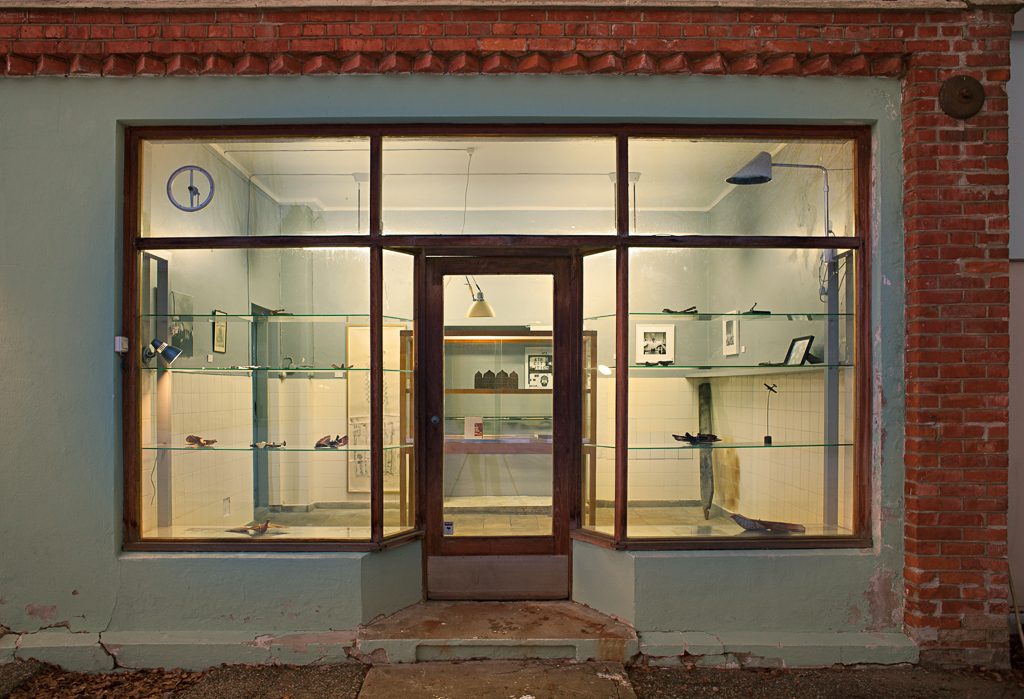
The original soldier drawings never travelled. The Murmansk Regional Art Museum had been the intended Russian partner and would only consider a loan to Tromsø, not to the tour; the collaboration then broke down entirely, shortly before opening. Where a Norwegian tribute to Russian soldiers was intended, dishonour was read instead. In place of the originals, Galuzin and Oleg Samoilov made a photographic reconstruction of the drawings, staged with a Murmansk historical re-enactment group specialising in the Second World War — 7/10-43 Photo-reconstruction (2015). Two planned venues were replaced along the way, and the Murmansk leg ended up in an artist-run gallery set up for the purpose.
The exhibition is documented in a trilingual catalogue published by Orkana Forlag in 2018, and was followed by a book tour through Tromsø, Kirkenes and Murmansk in 2019.