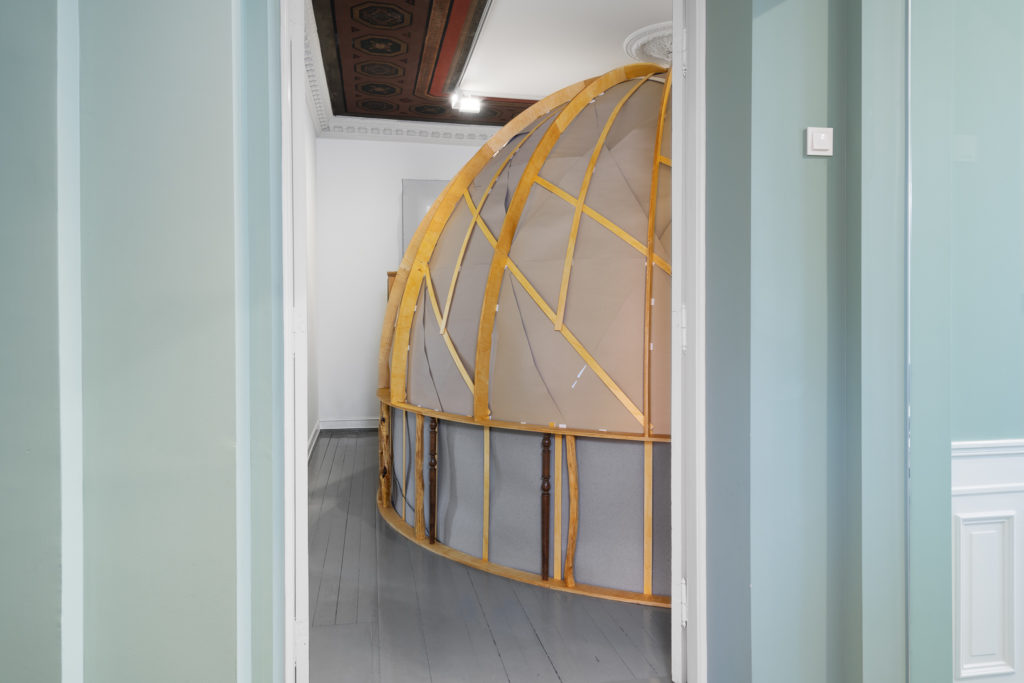
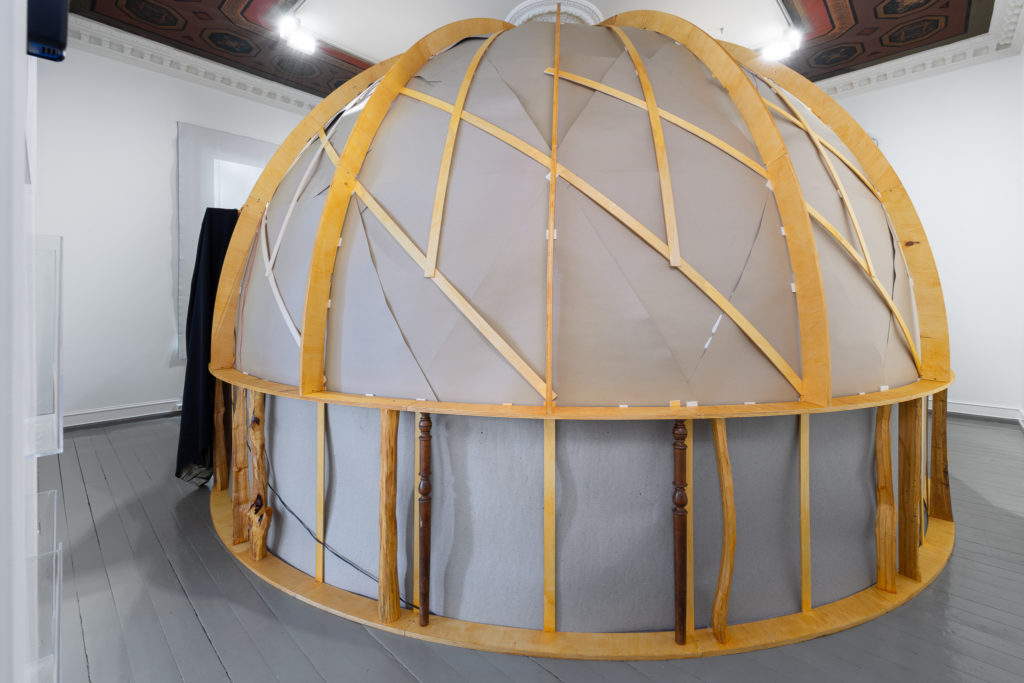
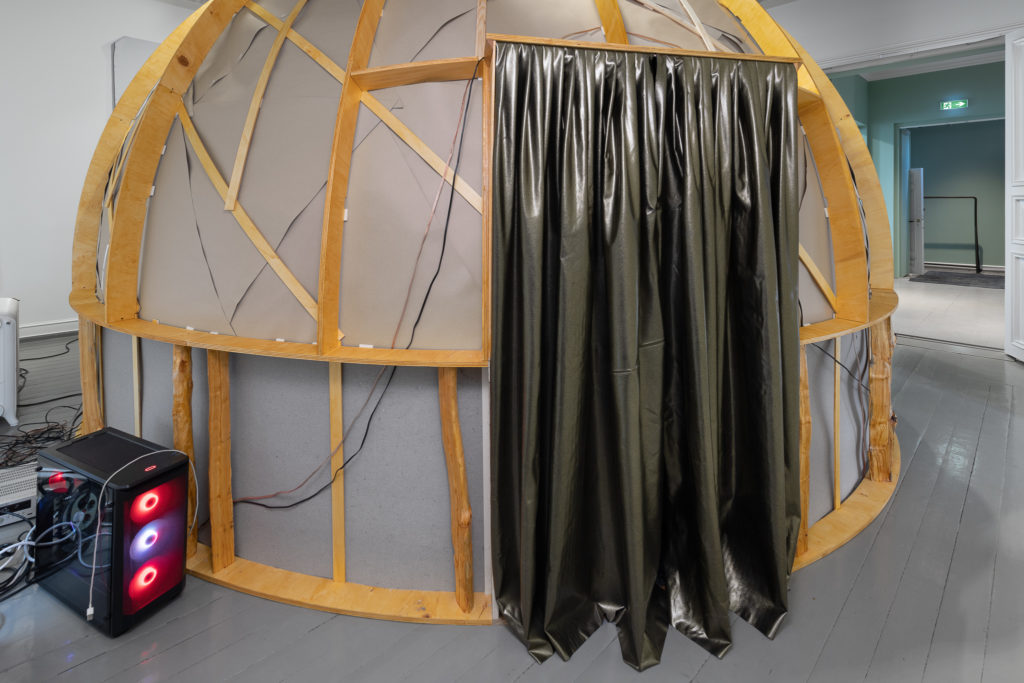
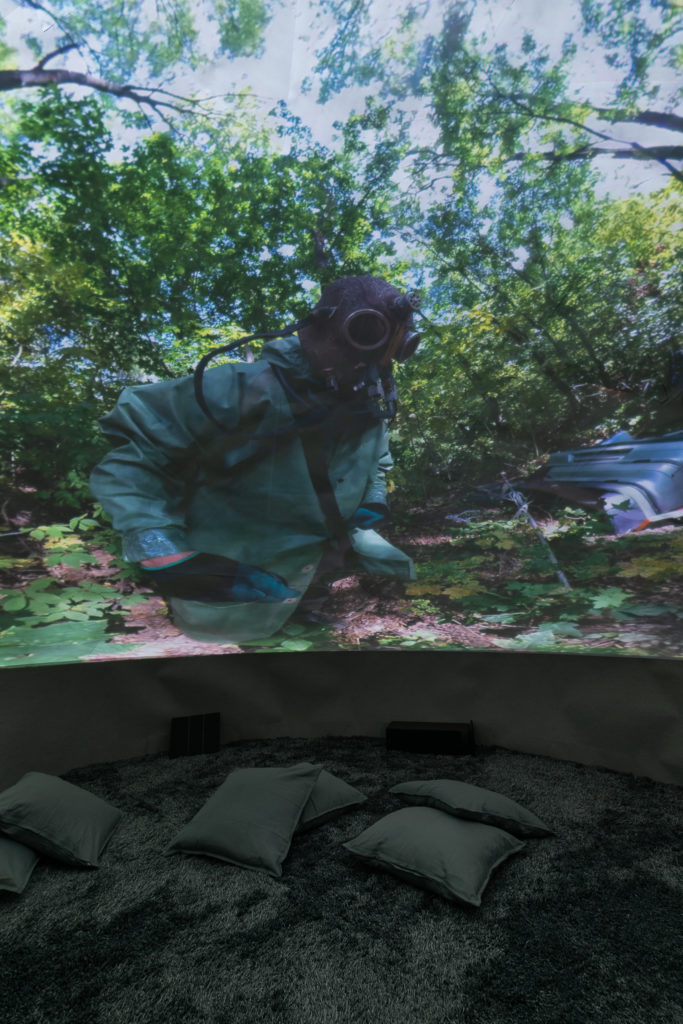
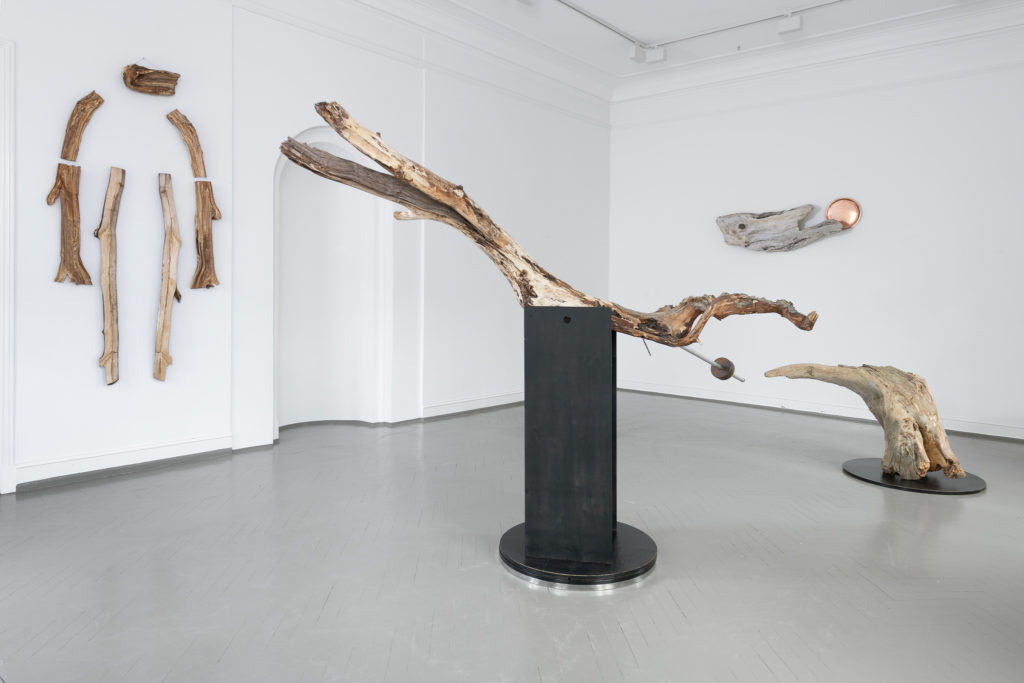
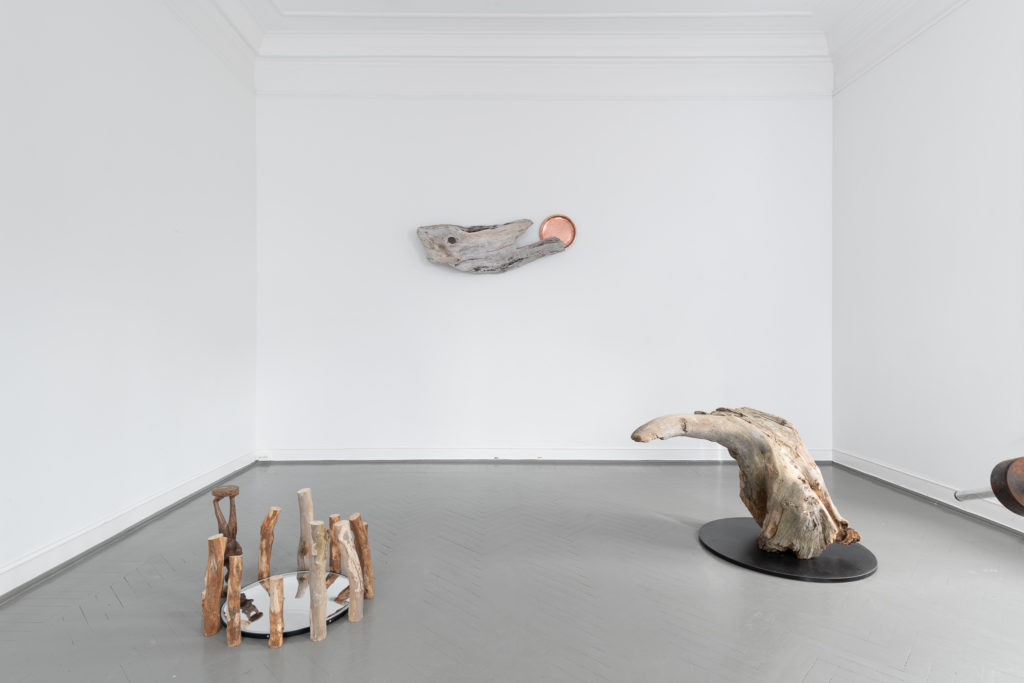
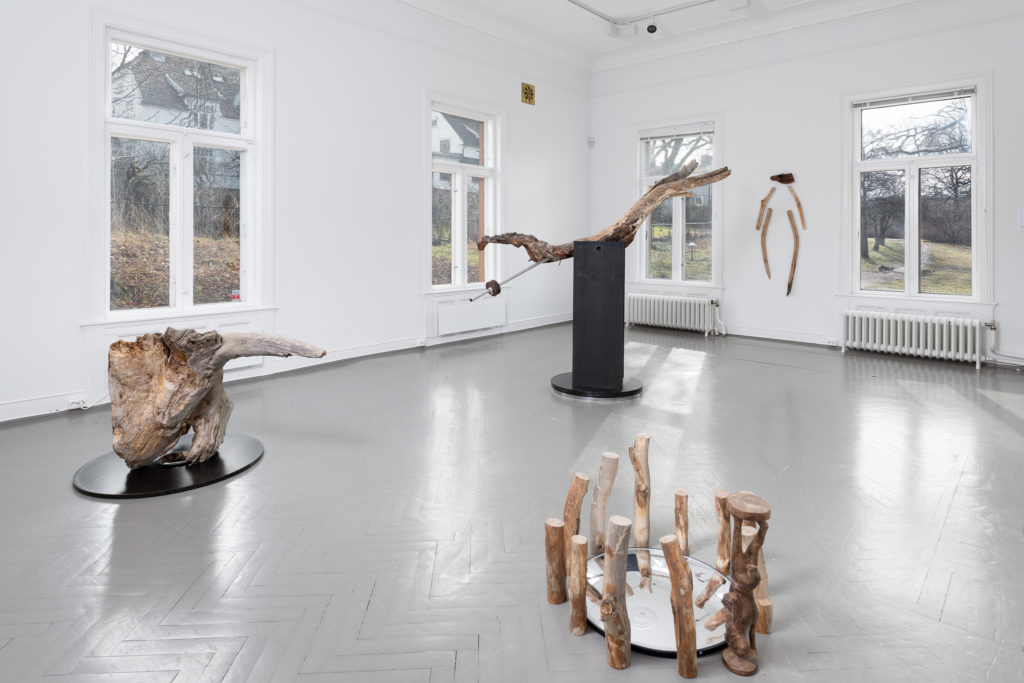
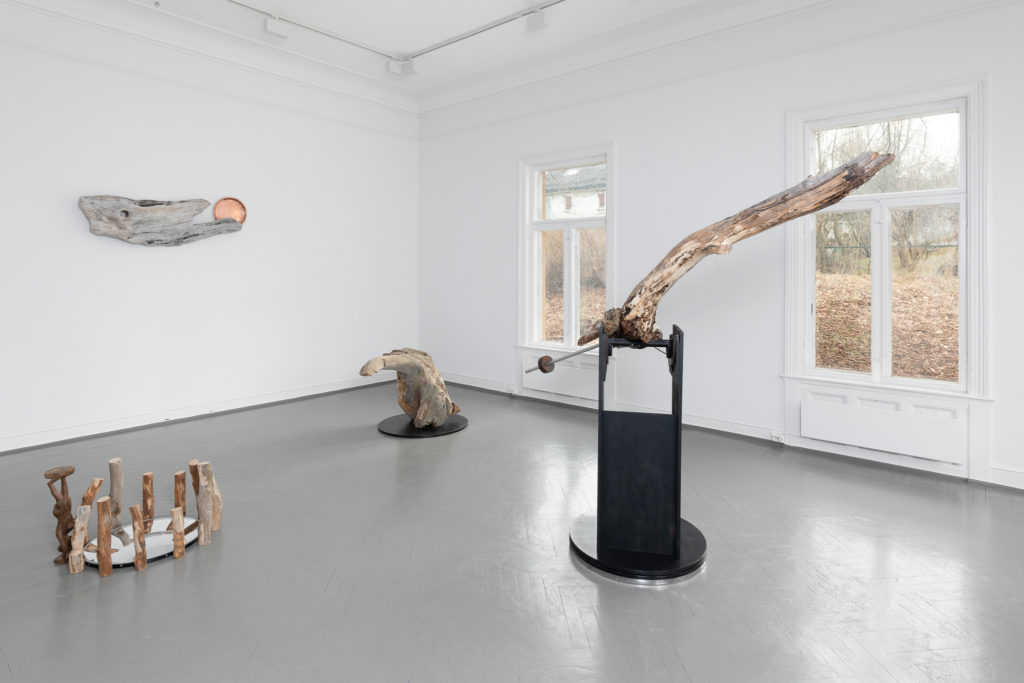
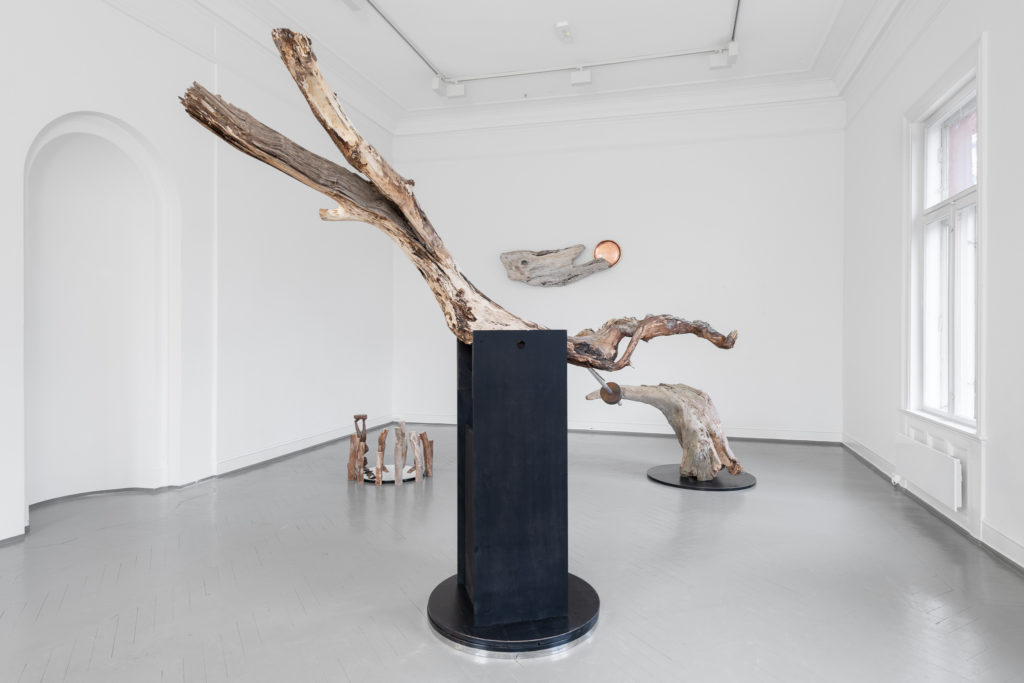
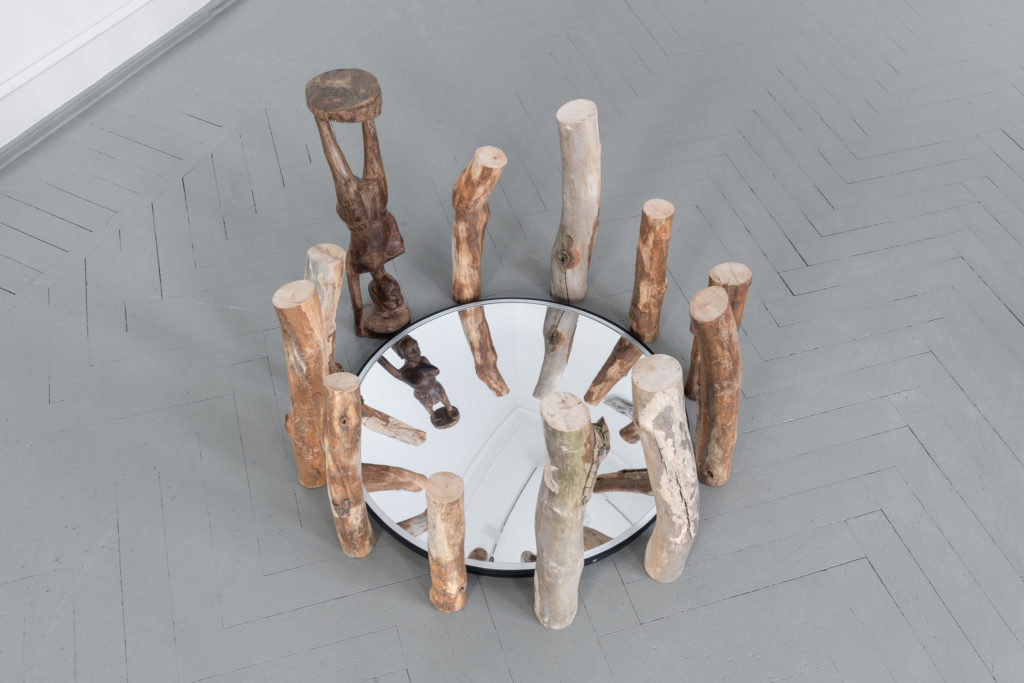
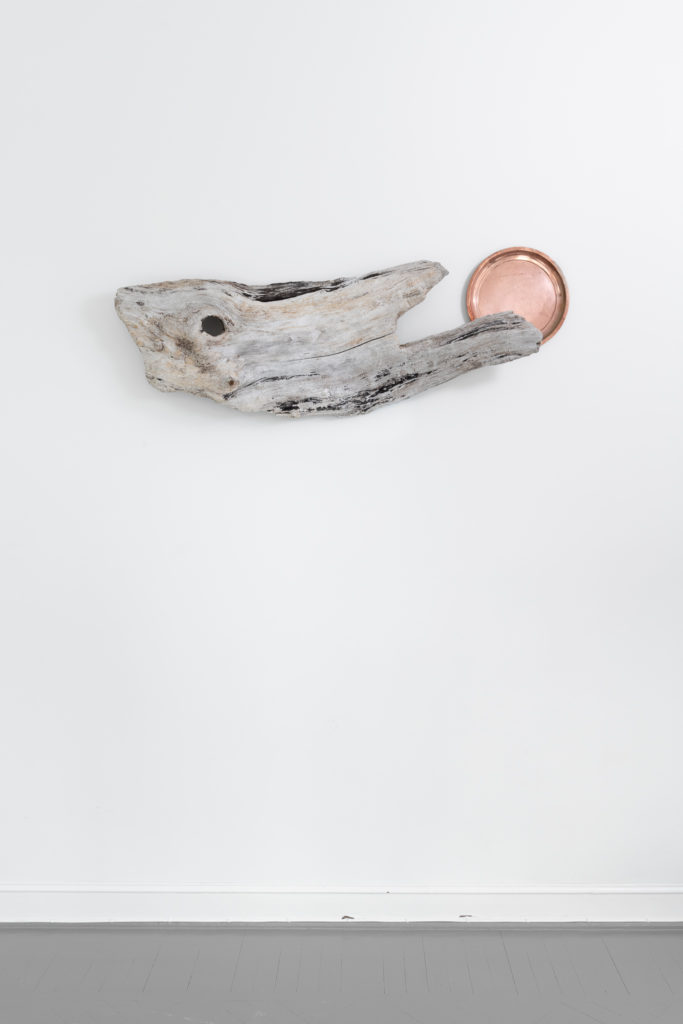
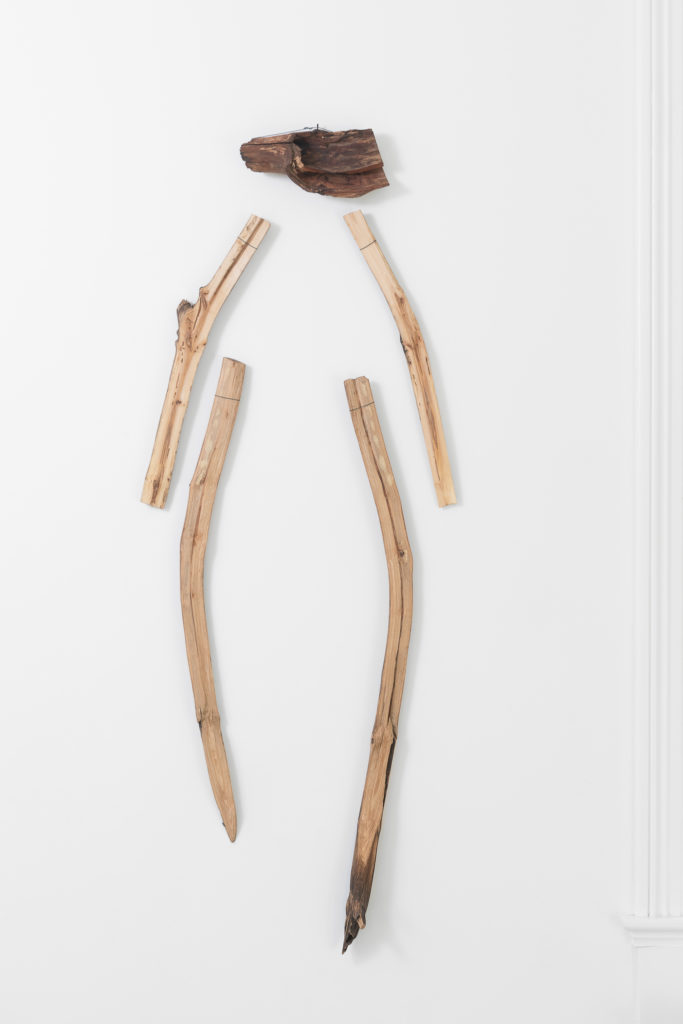
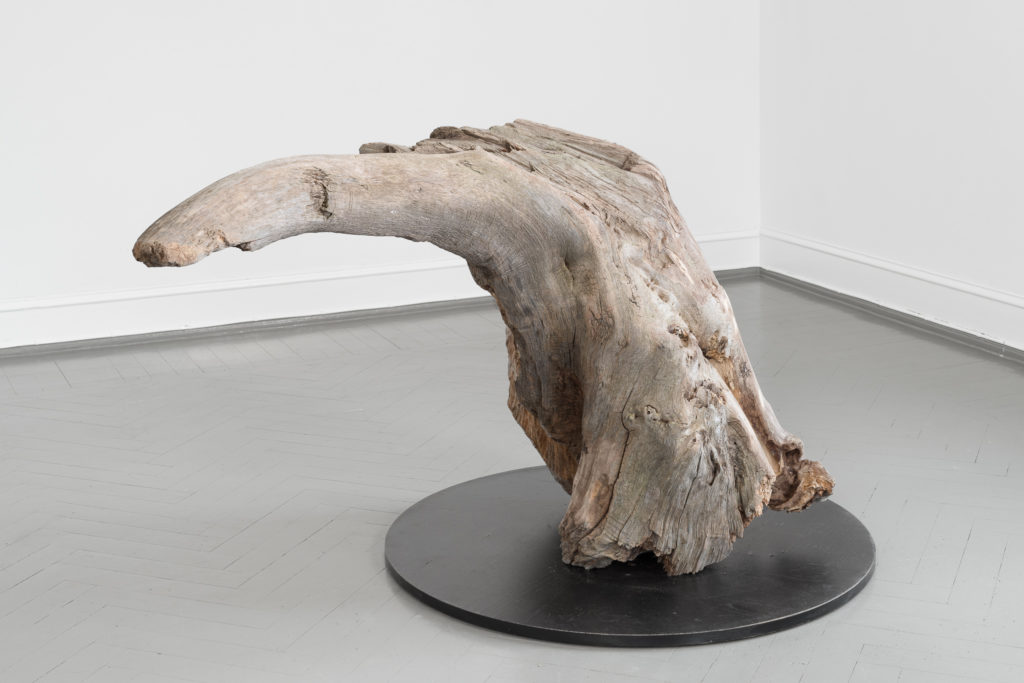
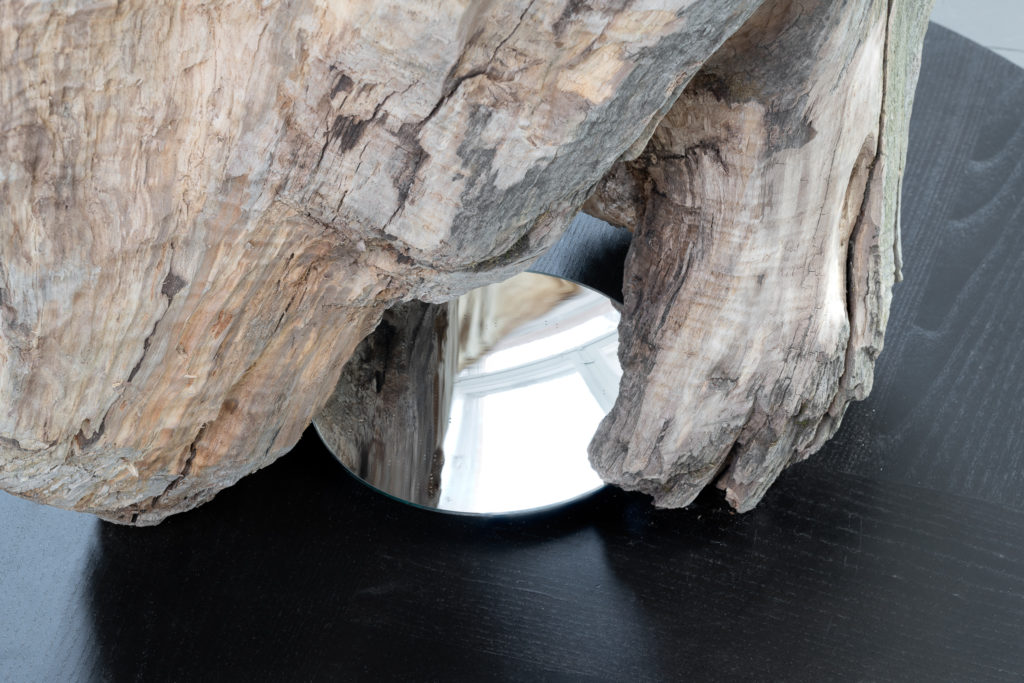
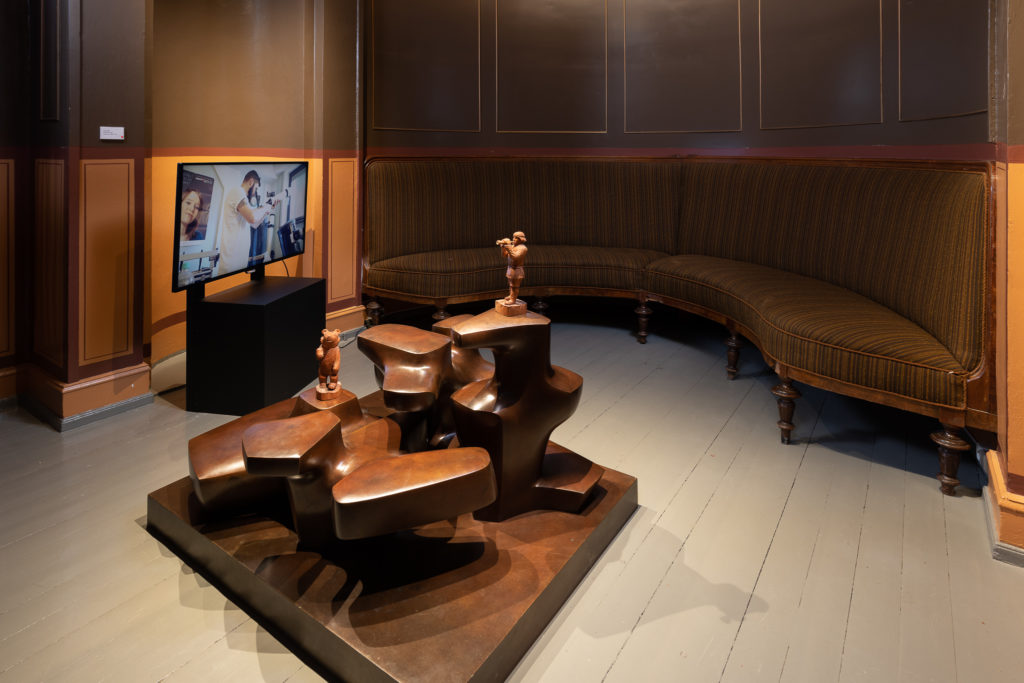
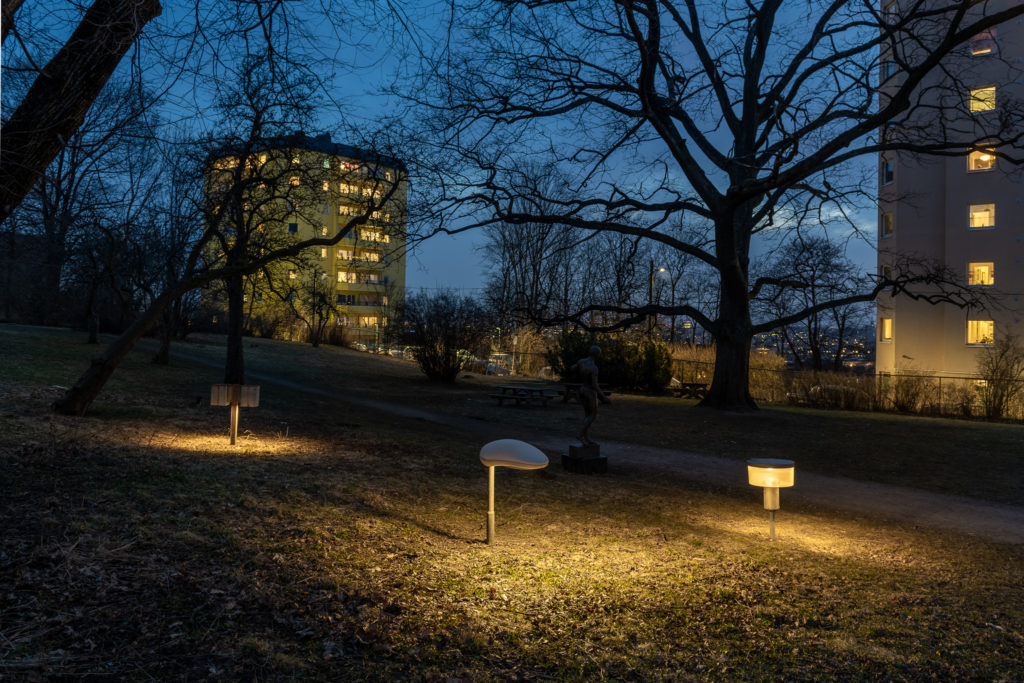
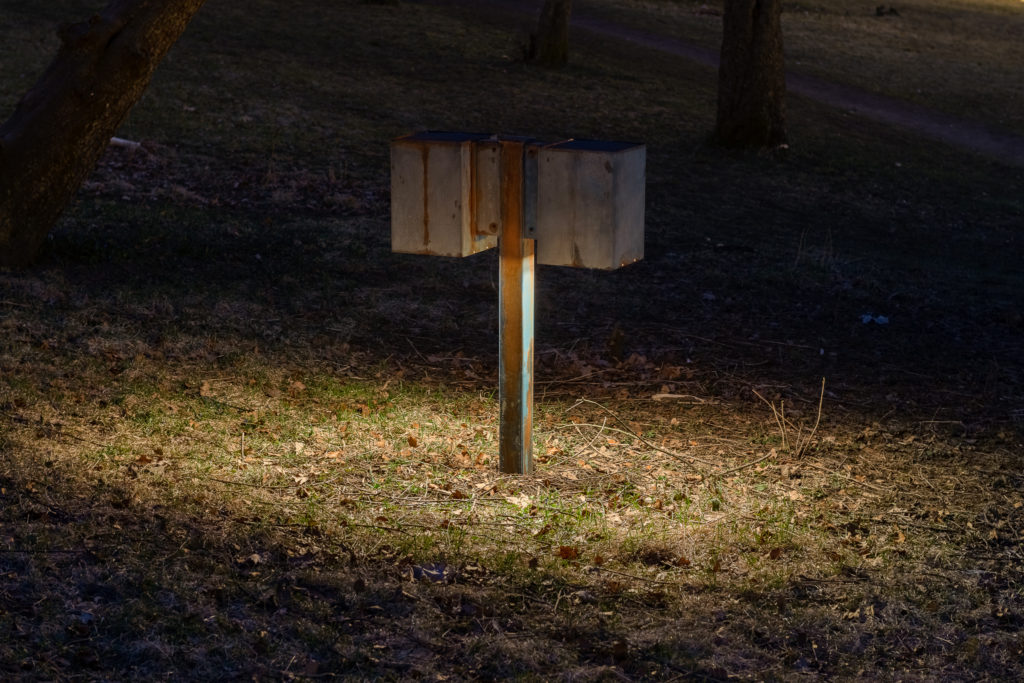
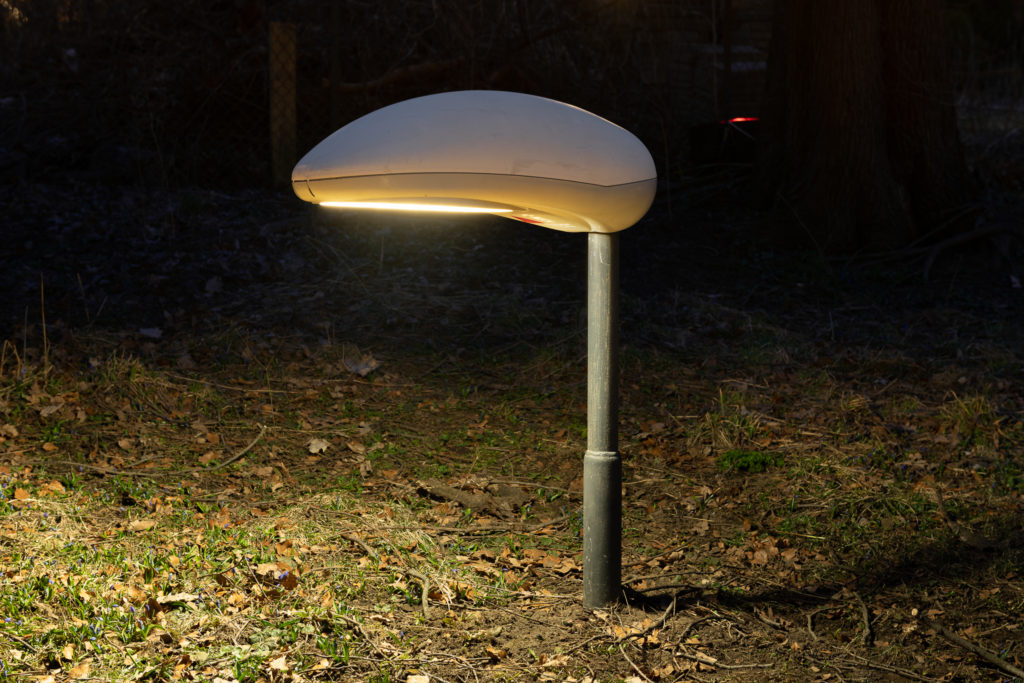
The Norwegian Sculptors' Association is proud to present a separate exhibition with Ivan Galuzin. With a deep dive into humanity's eternal fascination with the starry sky, and the answers that have been sought and are still sought through both science and religion, Galuzin presents us with a series of sculptures and installations that can act as a warning; both for our own little existence, but also for great universal questions.
The title seat-of-the-pants is a term derived from aviation, from the time before aircraft were equipped with instruments that could aid the control of the aircraft. In situations with too little or no visibility, the pilots had to steer based on experience and how the situation in the aircraft felt on the body. The body's greatest contact with the aircraft was through the seat and the pilot could thus feel with the rear end if the aircraft, for example, shook, tilted or lost height and gave a feeling of weightlessness.
The title adds many reading opportunities to the exhibition. Is it a description of the artist's method? Is there a conviction that we are alienated and that the key to answering the big questions must be sought through closer contact with our surroundings? Or is it just a piece in Galuzin's big puzzle?
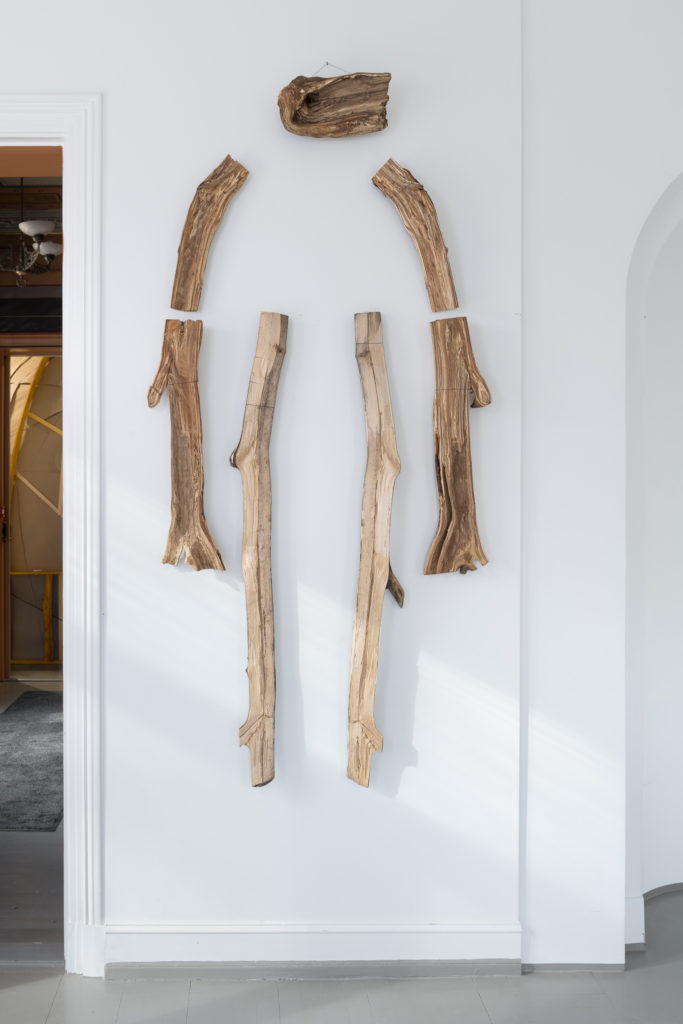
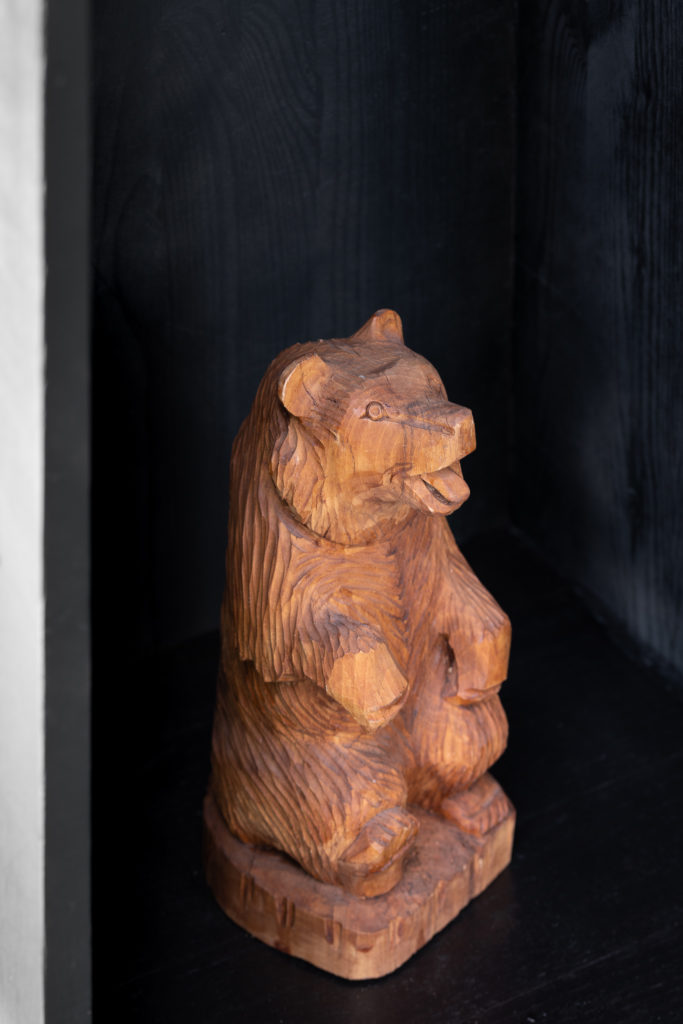
All the works in the exhibition are new productions and can be experienced individually or as a total installation with a kind of narrative that binds them together. The narrative is not linear, but rather appears as a narrative in which a wealth of references are put together into a fascinating whole. The result is an exhibition where the concept of time collapses: Reality and fiction mix together, mythology and science exist side by side and apocalyptic ideas, nostalgia and humor get to play together. The exhibition hits many of contemporary currents, such as the anthroposcene, ecology, materiality and closeness to nature, although it is not necessarily Galuzin's intention to fit into this.
With seat-of-the-pants, Galuzin has to a greater extent than before taken the step out into the room and away from the painting and the surface. He has for many years worked conceptually with the human body as a frame of reference, but in this exhibition the gaze is turned outwards and up towards the starry sky and one can trace a new direction in Galuzin's art both formally and thematically. But as Galuzin himself laconically puts it: We are all stardust.
The exhibition is supported by the Norwegian Cultural Council, the Visual Artists' Remuneration Fund (BKV) and the City of Oslo.